We all want to be happy.
We do things we believe will bring us happiness. We work towards our goals and nurture relationships. Now, think of your happiest memories. How many of them involve food?
Your favorite meal with your family, roadside pani puri with a friend, a birthday meal at a fancy restaurant, or a loved one preparing something special because they know exactly what you like.
Food is part of so many moments that bring happiness.
Yet, somewhere along the way, food has increasingly become a source of fear and anxiety for many of us. Our conversations around food have changed. We talk about calories, fat, and protein. We talk about making healthier versions of recipes passed down through generations. We practice intermittent fasting before feasting on the handmade snacks a loved one has prepared.
Nutrition matters! But eating is about more than nutrition. It is emotional, cultural, and personal. It brings people together. It carries memories and traditions.
Yet, we often limit eating to nourishing our physical selves, leaving little room for the emotional and social experiences that come with it.
A client once responded to this thought by saying, “But this doesn’t help my fitness goal, Mridula.”
It is a fair question.
Of course, your fitness goals matter. Nutrition plays an important role in achieving them. But does working towards a fitness goal mean giving up the pleasure of eating your favorite foods? Does enjoying a festive meal mean you have to compensate for it the next day? Does eating out with friends have to come with guilt?
I don’t think so.
A sustainable approach to nutrition should allow us to work towards our health and fitness goals while making room for the food experiences that are important to us.
Think about our lives in India. Festivals, family get-togethers, weddings, birthdays, and celebrations are woven into our everyday lives. Food is often at the center of these occasions. Do we really want to spend these moments worrying about calories, portions, and whether we have eaten too much?
This doesn’t mean nutrition takes a back seat or that every food choice has to be driven by pleasure. It means learning to accommodate both. We can learn to recognize and respond to our body’s hunger and fullness cues. We can care about what we eat without being preoccupied with it. We can enjoy our favorite foods without labelling them as good or bad. We can work towards our health goals without making food a source of guilt or anxiety.
Perhaps the question isn’t just what we eat, but also how we feel about what we eat.
Perhaps it is time we paid more attention to our relationship with food.
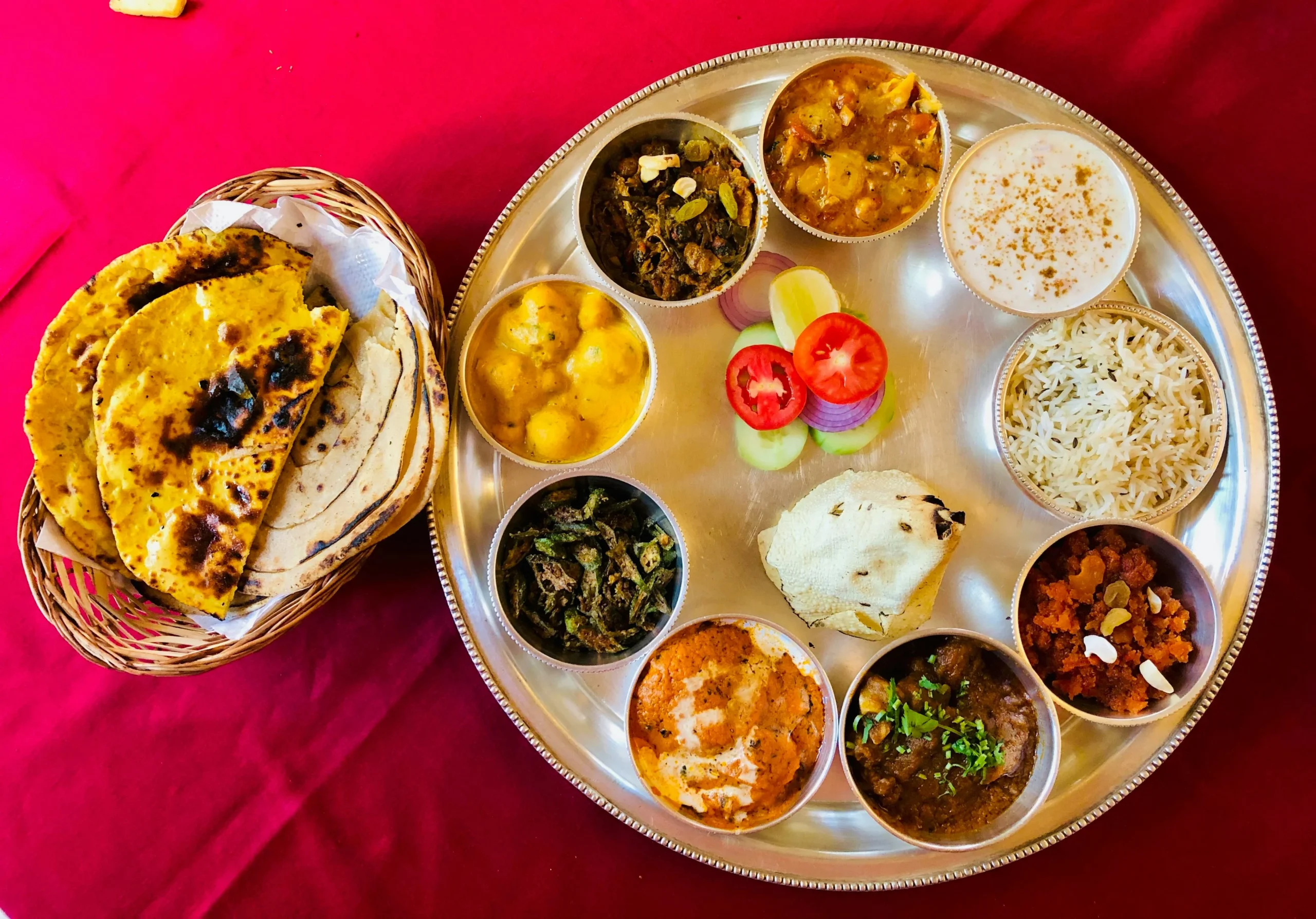
Image by Barun Ghosh at Vecteezy