As a young mother, I thought my qualification in nutrition was the ultimate tool. I believed that to be a ‘good’ nutritionist, my daughters had to eat only the healthiest foods, every superfood, every vegetable, without complaint. For a long time, I even took pride in saying my daughters would happily eat karel.
But as I evolved, both as a mother and a professional, I learned a much deeper lesson in compassion. It taught me that my daughters didn’t need a nutrition expert in the kitchen; they needed a mother who brought peace to the dining table.
The Myth of the ‘Perfect’ Plate
We’ve all seen those social media images, the ‘perfect’ toddlers smiling over a bowl of dal-chawal-sabji. For a parent struggling to feed a picky eater, those images don’t inspire; they create a deep sense of guilt. When your kid refuses a meal you spent an hour cooking, it feels like a personal failure. The battle begins: what they eat, how much they eat, and how they eat it.
But here is the gentle truth from the world of science: Stress is the enemy of digestion. When we turn the dinner table into a battlefield, we aren’t just fighting about veggies. We are creating an environment of tension where a child’s body simply cannot settle down to absorb nourishment.
The Shift: From ‘Plate Police’ to ‘Safe Provider’
My philosophy of Body, Mind, and Soul completely changed how I feed my family. Long ago, I decided to step down as the ‘Plate Police’ and become a ‘Safe Provider’ instead.
- The Body (The Science): My job is to provide a balanced plate, usually three food groups with different colors. Once the food is served, my hardest work is done.
- The Mind (The Calm): I let go of the ‘how much.’ My daughters decide how much they eat. This teaches them to listen to their own body and learn to say ‘No’ when they are full.
- The Soul (The Joy): We shifted our focus from the calories to the conversation. The kitchen became a place for stories, laughter, and acceptance.
Why ‘Sustainability’ Starts in the Kitchen
In my profession, we often talk about ‘sustainability’ in terms of the environment or diets that last. But in my home, sustainability also means something simpler: Can I eat without losing my mind?
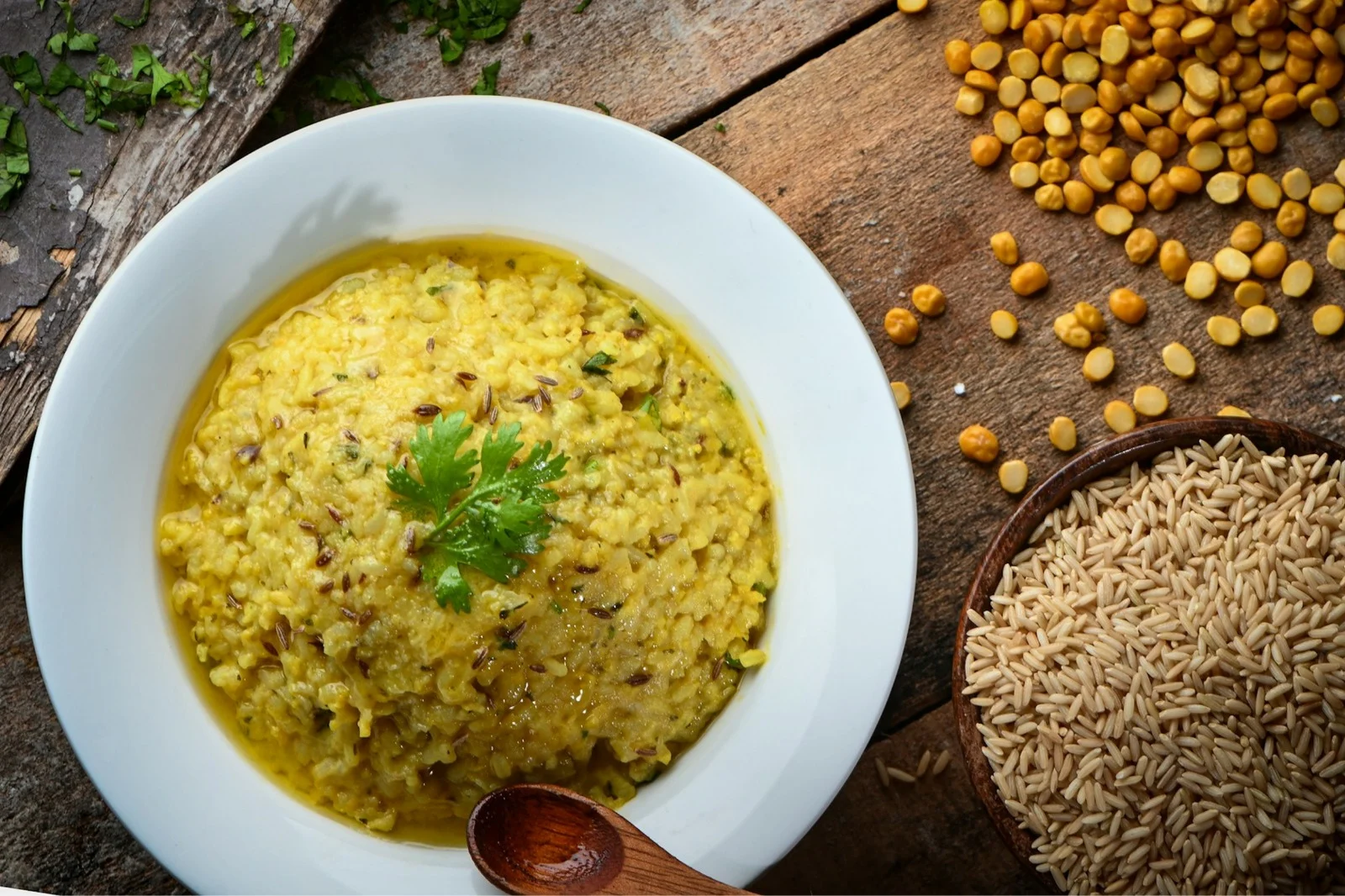
Sometimes, a sustainable dinner is a simple bowl of khichdi or a quick wrap shared with loved ones. If a meal is nutritionally ‘perfect’ but the mother is exhausted and resentful, the soul is being starved.
True nutrition is about the energy in the room as much as energy on the plate.
A Small Experiment for Your Next Meal
The next time mealtime feels chaotic, try to shift the focus. Instead of worrying about what isn’t being eaten, focus on the fact that you are gathered together.
Take one deep breath before the first bite. Remind yourself: My job is to provide the nourishment; my child’s job is to listen to their body.
Disclaimer: In the interest of full disclosure, this content was created originally and thereafter refined with moderate assistance from artificial intelligence.